What attributes transform a family business established over generations and rooted deeply in its region with a globally operating and leading hidden champion? For managing partner and CIO Dr. Nicolaus Loos, it is the shared core values that shape the German Mittelstand and have sustained its success for decades.
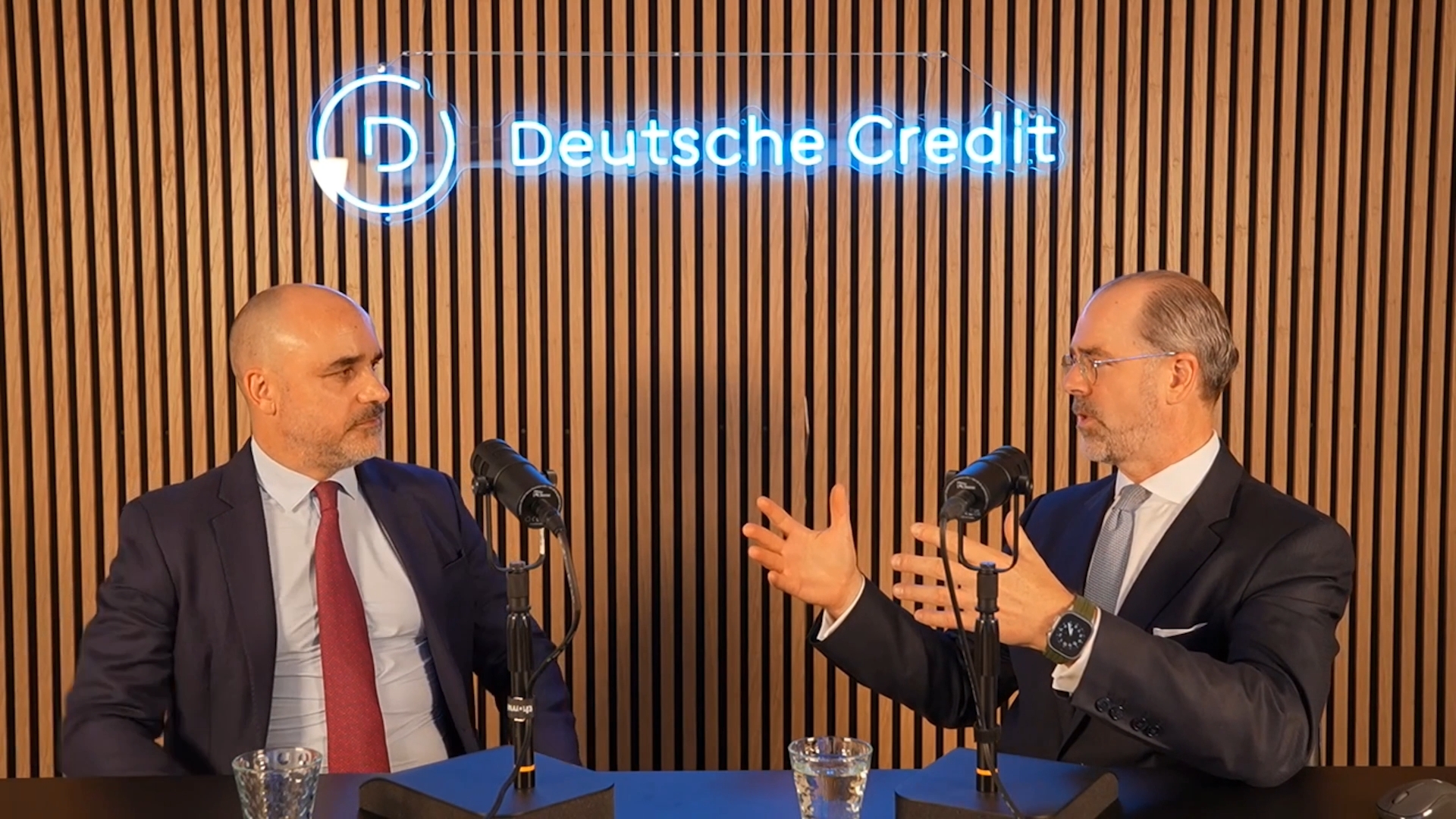
In conversation with James Newsome of Arbour, Nick describes the three core elements of the Mittelstand’s model for success:
Consistently improving products and ranking among the world’s best in one’s field: this ambition defines “Made in Germany”. Underpinning it are rigorous training, technical expertise, and a commitment to developing solutions together with customers and setting global standards in specialized niches.
Over decades, many mid-sized companies have repeatedly overcome challenges and evolved in the process. They make considered decisions and pursue their goals across generations. This long-term orientation is a key reason for their resilience and success.
Teams at mid-sized companies often strongly identify with their company, its products, and their communities. Family-run businesses, in turn, are generally very close to their employees and take responsibility. This social contract creates a culture in which business success is seen as a shared achievement.
For Nick, the strength of the Mittelstand lies in the interplay of these values.
Learn more about Nick’s perspective on the German Mittelstand in the the full interview:
Investments in infrastructure, energy, and defense can have an impact far beyond individual projects: they open up new prospects for the German Mittelstand and create demand for financing.
In conversation with James Newsome of Arbour, managing partner and CIO Dr. Nicolaus Loos explains why he sees Germany’s special government investment program and concurrent initiatives to attract international capital to the region as important drivers for the further transformation of the German economy. In his view, this also creates vast opportunities for private credit. The market in Germany is still significantly less developed than in the US, for example, pointing to above average growth in the coming years.
Mid-sized companies in the DACH region, Benelux, and Scandinavia increasingly need alternative financing partners alongside their relationship banks – partners who understand their business models and support their growth, technological development, and expansion into new markets. Their capacity for innovation, resilience, and long-term thinking across generations provide a strong foundation for this.
This is the core of Deutsche Credit’s positioning: through our geographic proximity to the Mittelstand and our understanding of its needs, backed by years of experience in working with entrepreneurs, we provide financing solutions tailored to each company’s needs for its next stage of development. In this way, we connect international capital with the opportunities offered by the Mittelstand.
Many thanks for moderating and for the in-depth discussion, James, and to Punica Invest for the venue!
Interested in the full conversation? You’ll find the link here:

Coming soon
Coming soon
Coming soon
The remarkable growth of European private credit markets over the past decade has left certain market segments – and in particular sponsored direct lending – starting to look saturated. However, in less penetrated private credit markets such as Germany, where family-owned businesses dominate the mid-market landscape and the country’s economic development, alternative capital financing in form of private credit is still scarce, and substantial investment opportunities with attractive risk-return profiles for investors persist.
In this video interview, James Newsome, Managing Partner at Arbour Partners, and Dr. Nicolaus Loos, Managing Partner and CIO at Deutsche Credit, analyze the characteristics, opportunities and advantages around the European SME sector. They also explore how Europe, and Germany in particular, can drive the next chapter in the Private Credit success story.
After all, the “Mittelstand”, i.e. the German core mid-market segment, is depicted by venerable organic and inorganic corporate growth stories that often spans generations and is rooted in disciplined and inquisitive ingenuity. Where further growth due to globalization, innovation or digitalization is desired, Deutsche Credit connects global institutional capital with these European and German mid-market hidden champions and finances not only transformation, but oftentimes the successful corporate growth stories of tomorrow.